

Parish Social Ministry

PSM logo.png"We see the parish dimensions of social ministry not as an added burden, but as a part of what keeps a parish alive and makes it truly Catholic. Effective social ministry helps the parish not only do more, but BE more- more of a reflection of the gospel, more of a worshiping and evangelizing people, more of a faithful community. It is an essential part of the parish life.” Communities of Salt and Light, Introduction

Parish Social Ministry is a new effort by Catholic Charities West Virginia (CCWVa). The goal of Parish Social Ministry (PSM) is to assist the Catholic faithful to better understand the principles of Catholic social teaching and seek ways to put these principles into concrete action in their daily lives. Since the parish is the place "where the gospel is proclaimed and where believers are formed and sent to renew the earth," PSM seeks to build effective partnerships with parishes, CCWVa and the diocese in order to help organize and then carry out works of charity and justice in local communities.

CCWVa regional directors and the PSM Coordinator will provide education, leadership training, networking, and resources for local parish and community leaders, empowering them to serve the most vulnerable in their communities and to live out the Church’s social teaching. Social needs are met in three main ways:

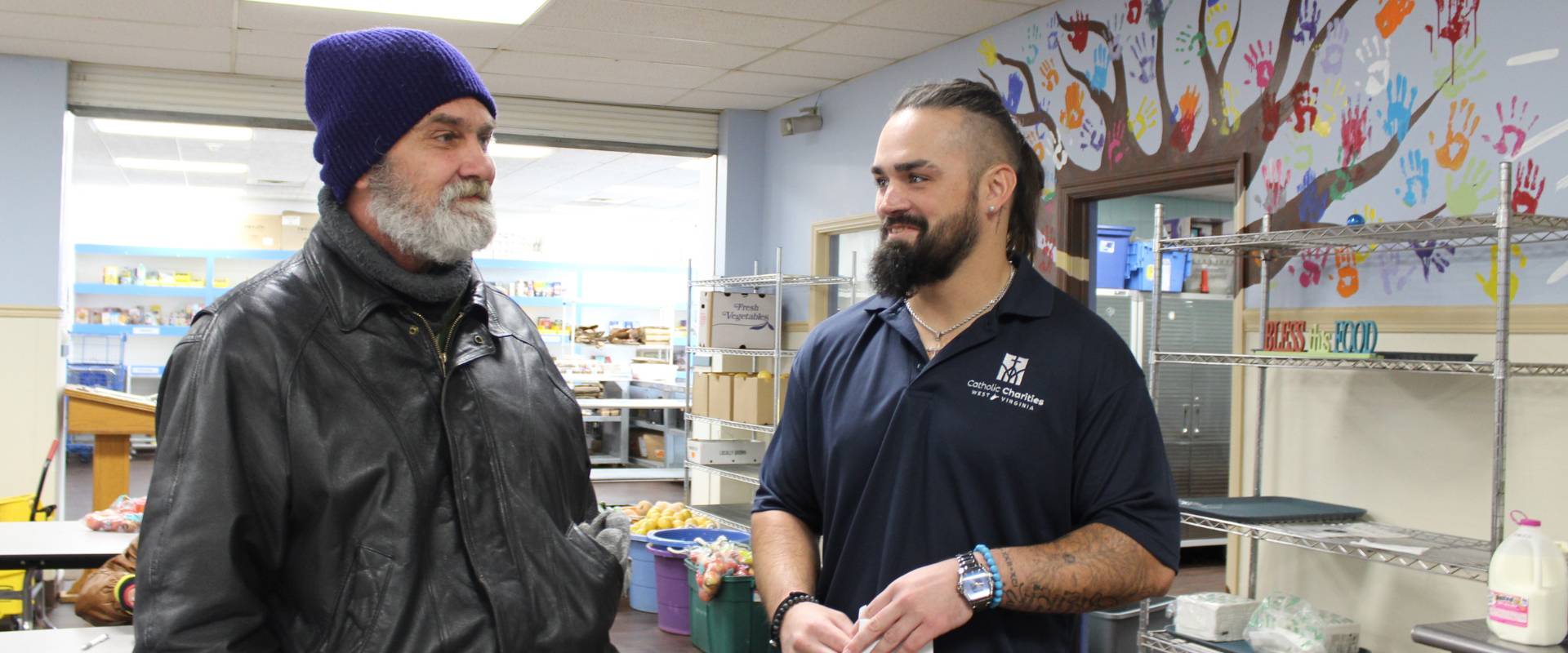
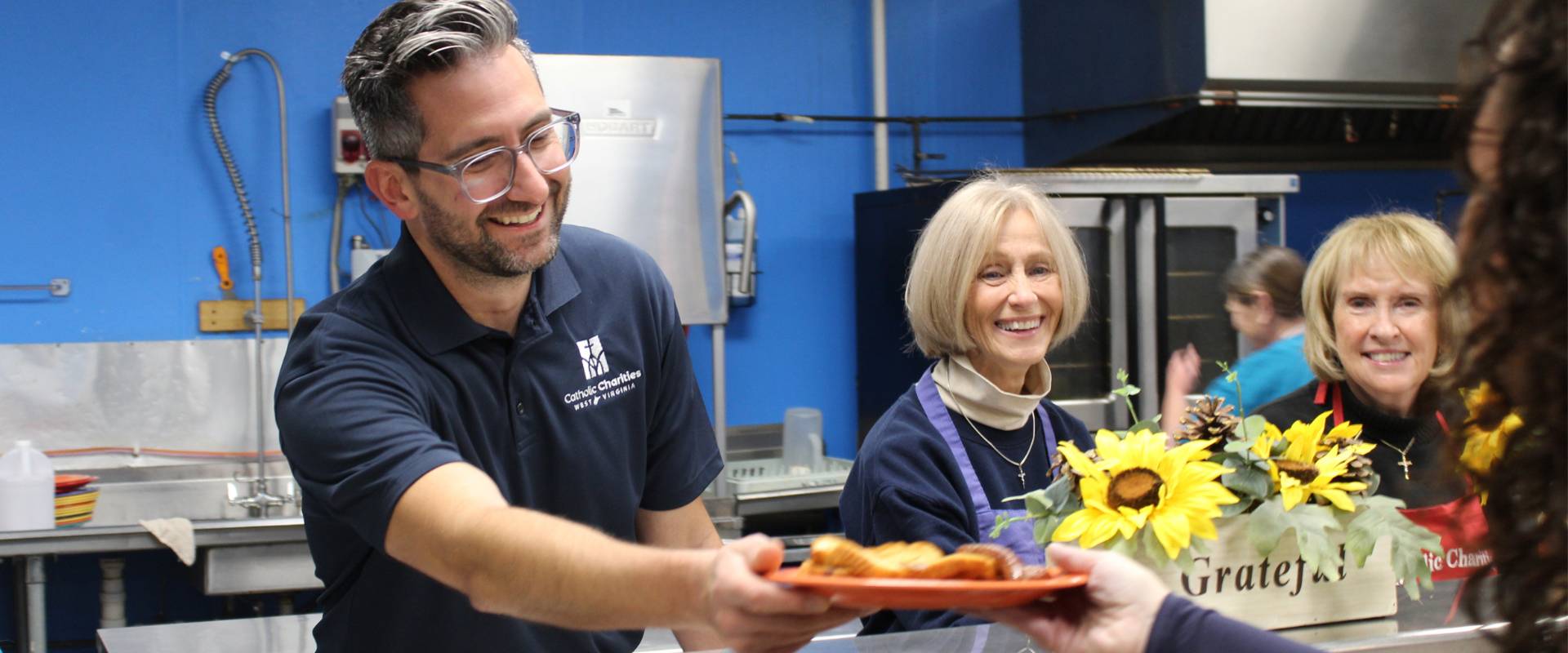
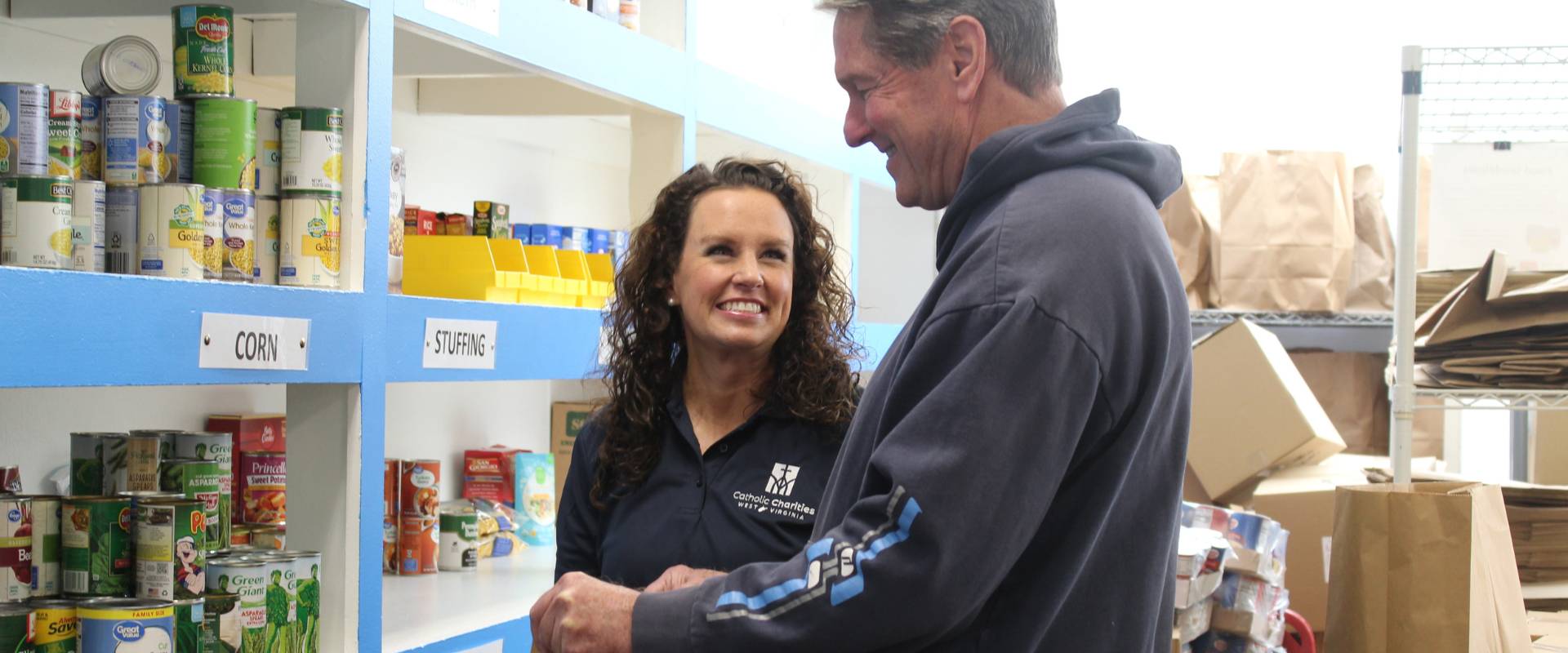
  • Direct Service: establishing or partnering for tangible needs assistance programs such as food banks, respite care programs and visiting nursing homes and hospitals.
  • Advocacy: supporting the less fortunate in the community by advocating for their rights on a local, state and national level.
  • Convening: bringing people together to educate them on social issues relevant to the community.

“...love for widows and orphans, prisoners, and the sick and needy of every kind, is as essential to her as the ministry of the sacraments and preaching of the Gospel. The Church cannot neglect the service of charity any more than she can neglect the Sacraments and the Word. “Deus Caritas Est para 22.

The Principles of Catholic Social Teaching

  • The Dignity of the Human Person – All people are a reflection of the image of God, and thus all human life, at all stages from conception through natural death is sacred. The basic dignity that each person possesses comes from God. People take precedence over things and structures. Systems are meant to serve people, not the other way around.
  • Community and the Common Good – The mystery of the trinity involves the relationship of complete love among the three divine persons — Father, Son, and Holy Spirit — in one God. As persons made in God's image, we are fundamentally social. In community we realize the fulfillment of our dignity and rights in relationship with and to others.
  • Rights and Responsibilities – People have basic rights and responsibilities because of our human dignity that reflects the fact that we have been created in God's image. Catholic teaching emphasizes that people have a right to life and to the basic necessities that provide quality to life: food, shelter, health care, education, and employment. We are called to respect the rights of others and to seek the common good.
  • Option for the Poor – The Gospel calls Christians to put the needs of the poor first. A common moral test of a society is how it treats its most vulnerable people. Wherever there is structural injustice, Christians are called to oppose it. Those with the greatest need require the greatest response.
  • The Dignity of Work – Work is an expression of our dignity and our involvement in God's creation. People have a right to decent work, fair wages, and private property. The economy exists to serve people.
  • Solidarity – We are all one human family in the world. Because we realize our dignity, rights and responsibilities in relationship with others, we need to continue to build a community that empowers people to attain their full human potential. By working for justice, we fulfill our mandate to build the body of Christ.
  • Care for God’s Creation – On a planet conflicted over environmental issues we are called to respect our Creator by our stewardship of creation. We are to protect people and the planet, living our faith in relationship will all of God’s creation.
 

Contact Information

Mary Haftman-Moses
Parish Social Ministry Coordinator
304-230-1280 Ext. 106